


 IOS
IOS
 Android
Neko Atsume 2's most controversial innovation involves goodies that break through repeated cat usage, introducing unprecedented impermanence to the franchise's traditionally static item system. This mechanic fundamentally transforms player relationships with virtual possessions while creating complex gameplay implications worth examining in detail.
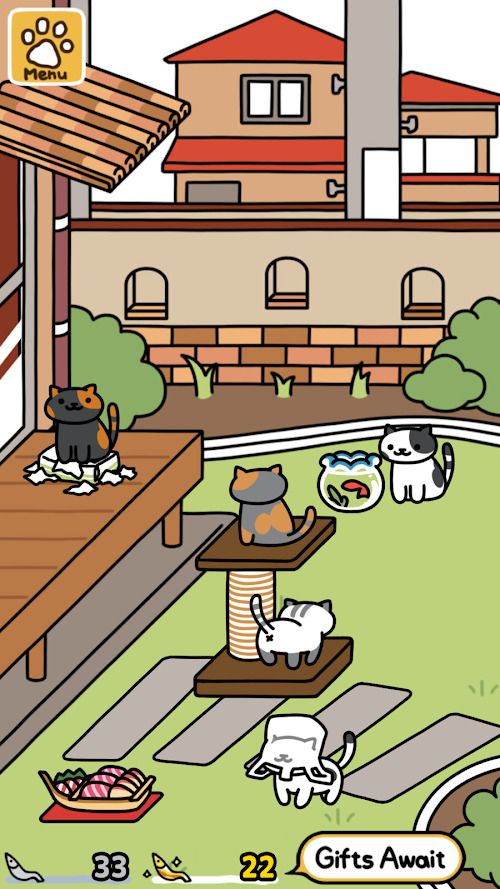
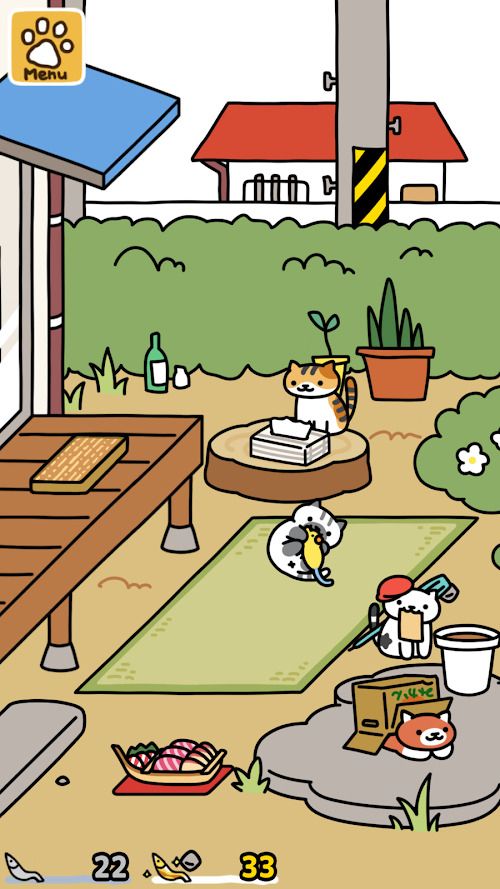
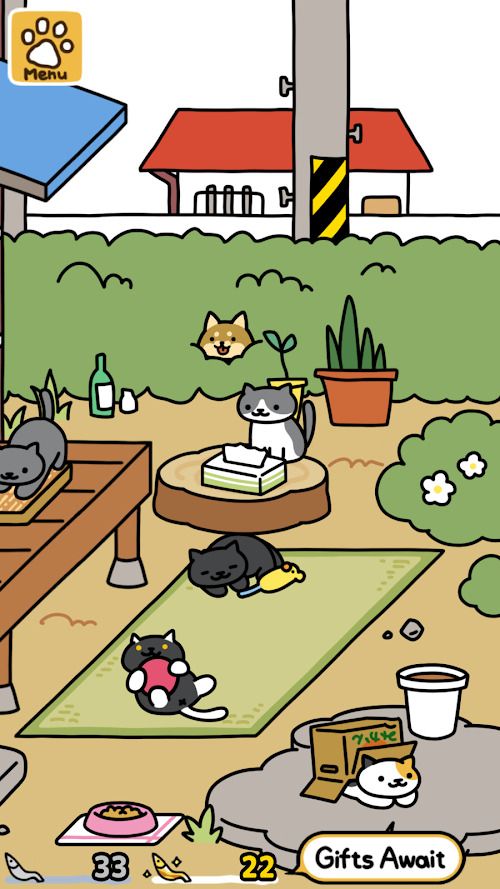
The breakable goodies system affects numerous items including Box Tissue, Eco Bag, Cake Box, Paper Bag, and Plastic Bag among others. When cats repeatedly use these items, they transition into "worn out" states with altered appearances—the Box Tissue becomes tattered, bags develop tears, and various toys show visible damage. Players then face a choice: repair items (sometimes requiring silver fish payment) to restore functionality with new appearances, discard them to repurchase at full price for original looks, or simply leave them broken as cats continue using damaged items without gameplay penalty.
The repair mechanic's most intriguing aspect involves appearance transformation. Fixed goodies don't return to pristine condition but adopt entirely new aesthetics—repaired items might change colors or display patched-together appearances. One player noted how Spots destroyed their tissue box, and "the moment I fixed it he reappeared in the yard to contemplate his next crime," humorously highlighting the system's ability to create narrative moments. This transformation system inadvertently creates collectible variations, as players can possess new, broken, and repaired versions of individual items by cycling through states.
The advantages of this system extend beyond mere novelty. Breakable goodies inject unpredictability into the previously deterministic gameplay loop, creating surprise moments when checking your yard. The repair-induced appearance changes provide cosmetic variety without requiring additional purchases, effectively tripling visual diversity for affected items. The system also adds strategic depth—players must decide whether maintaining specific aesthetics justifies discarding and repurchasing costs, or whether embracing imperfection suits their yard's character. This introduces personality expression previously absent from the franchise.
However, significant disadvantages undermine these benefits. The system fundamentally conflicts with Neko Atsume's core appeal as a low-stress, low-maintenance experience. Players who enjoyed setting up perfect yards and simply observing cats now face unwanted maintenance obligations. The mechanic particularly frustrates perfectionists who want pristine appearances—they must repeatedly discard and repurchase items, creating tedious busywork that contradicts the game's relaxing philosophy.
More problematically, broken goodies reduce spawn rates for rare cats when their preferred items are damaged. This means neglecting repairs directly impacts gameplay progression, transforming optional maintenance into mandatory upkeep for players pursuing complete Catbook collections. The system also creates confusing value propositions—should players spend fish repairing items that change appearance anyway, or spend more fish repurchasing originals? This decision paralysis adds cognitive load to previously straightforward choices.
The breakable goodies system succeeds in adding dynamism and visual variety but fails to align with the franchise's fundamental philosophy of stress-free entertainment. Players appreciating constant change and accepting imperfection will enjoy this feature, while those seeking tranquil stability will find it intrusive and counterproductive to their enjoyment.
By Jerry | Copyright © Game-Nook - All Rights Reserved