


 IOS
IOS
 Android
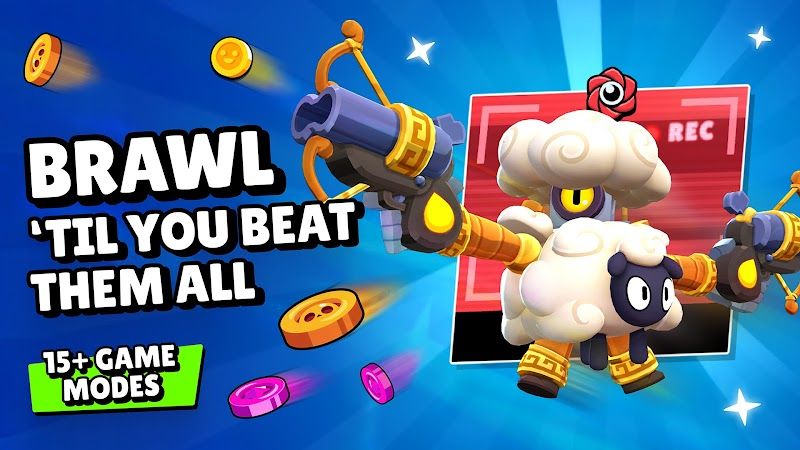
Brawl Stars stands out with a rather diverse range of game modes, each of which requires a different approach and team strategies. In contrast to the majority of mobile shooters where developers concentrate on the single or two main modes, Supercell has created more than ten game modes that rotate and permanent competitive modes to introduce a complex experience.
The permanent mode rotation includes fundamentally different objectives that prevent gameplay stagnation. Gem Grab, teams are asked to acquire and retain ten gems that are dropped by other players who are dead, and the focus is on the control of the map and the sensible retreats. The game Brawl Ball turns it into madness 3v3 soccer in which the Brawlers such as El Primo can take the ball and apply Super abilities to literally jump towards the goals to provide an impressive play. Bounty awards stars for eliminations with escalating point values, punishing aggressive overextension. Heist challenges teams to destroy the enemy's safe while defending their own, rewarding Brawlers with high DPS like Colt whose long-range piercing attack excels at safe destruction. Showdown offers solo and duo battle royale variants where poison gas progressively shrinks the playable area, featuring destructible walls and power cube pickups that provide permanent stat boosts within matches.
This is diversity that gives high benefits in player retention and accessibility. Diverse players have different playstyles; the passive player has a tendency to play Gem Grab due to its strategic positioning and the aggressive player enjoys playing Brawl Ball because it involves constant movement. The mode rotation ensures that the daily quests are novel, and the games are not as monotonous as games in individual modes. Certain Brawlers shine in specific modes, justifying the large roster; Dynamike's area-denial explosives dominate Heist but struggle in open Showdown maps. This specialization encourages players to expand their Brawler knowledge rather than one-tricking favorite characters.
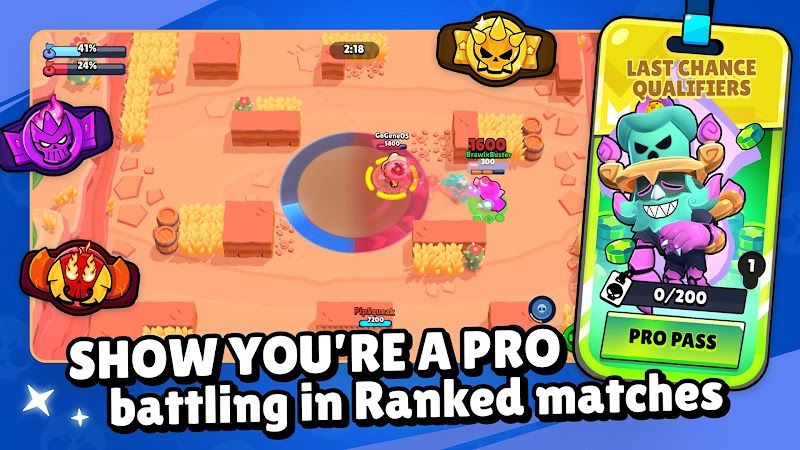
The competitive ecosystem centers around Power League and Club League. Power League operates as ranked play where players draft Brawlers in turns, banning opponent selections before competing across three different modes. Climbing from Bronze to Mythic ranks requires adapting to draft restrictions and counter-picking opponents. Club League takes the competition further to warfare at the guild level where the clubs play against each other during several days, and the members have the option of adding their results individually in the total scores. The new Ranked mode will be used instead of the separate trophies, and this will solve the issue of trophy inflation complaints.
Nonetheless, this form of diversity presents great drawbacks. The rotating schedule means favorite modes appear only intermittently, frustrating players who prefer specific game types. Special weekend events like Hot Zone or Knockout vanish for days, interrupting skill development in those modes. Mode-specific balance issues persist; certain Brawlers like Tick, whose remote-controlled mines control areas effectively, completely dominate Heist but feel nearly useless in Knockout's elimination-focused gameplay. This creates meta stagnation where optimal Brawler selections become repetitive within individual modes.
Club League's high-stakes format ironically discourages participation; single losses significantly impact club rankings, creating pressure that transforms entertainment into obligation. The competitive modes require maxed Brawlers, excluding casual players from meaningful ranked progression. Additionally, mode complexity overwhelms newcomers; understanding ten different objective types, optimal team compositions, and map-specific strategies demands substantial time investment before competitive viability.
Brawl Stars' mode diversity represents ambitious design that succeeds in preventing monotony and accommodating various preferences. Yet this same variety fragments the player base, complicates balance, and creates accessibility barriers that may ultimately limit the competitive scene's growth potential.
By Jerry | Copyright © Game-Nook - All Rights Reserved