


 IOS
IOS
 Android
From Supa Inc., Malatang Master is a mobile simulation game that attempts to be your "little world" of cozy routines: running a malatang shop, packing photocards, and caring for a doll, all wrapped in soft ASMR audio. At a glance it looks like a simple cute cooking title, but once you spend some time with it, the structure, progression, and long-term hooks become clearer—and so do the trade-offs behind its design choices.
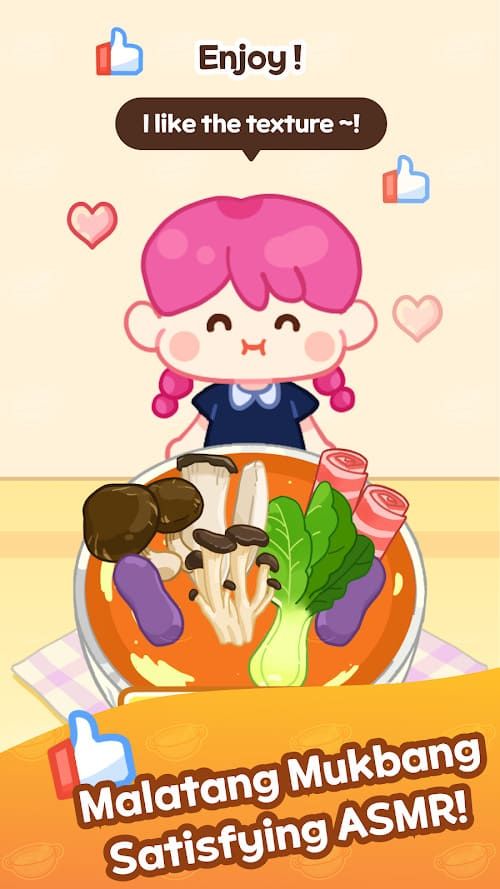
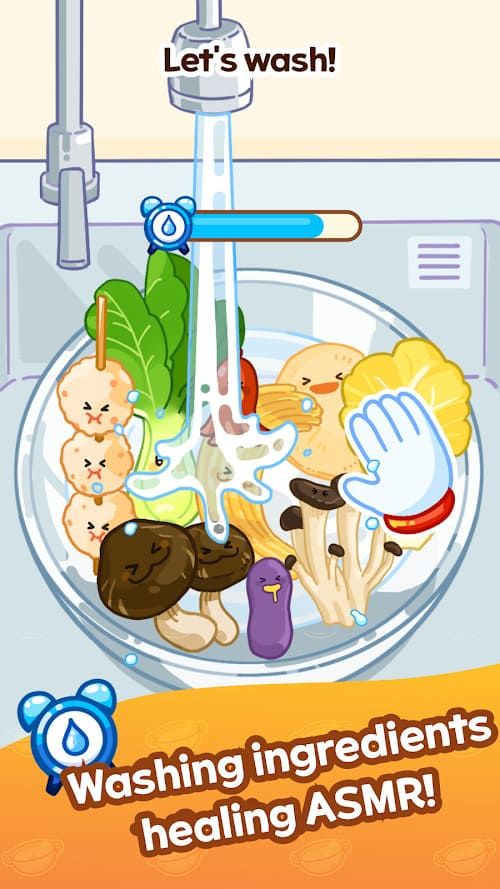
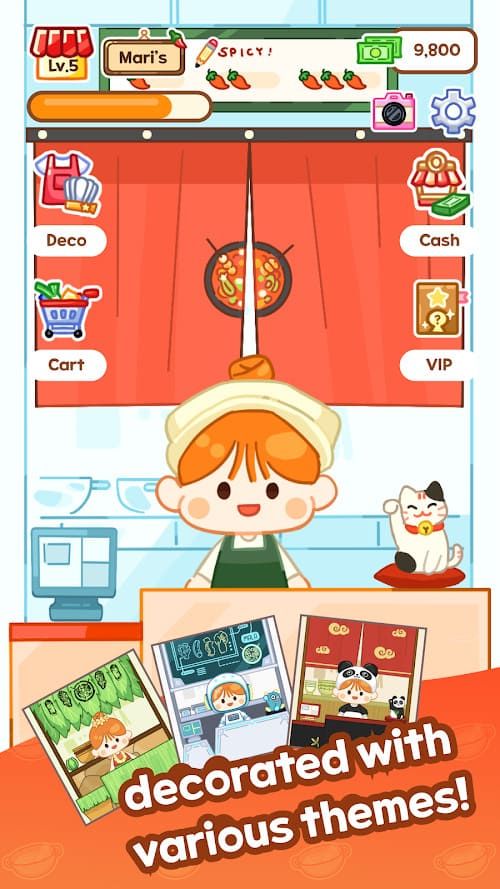
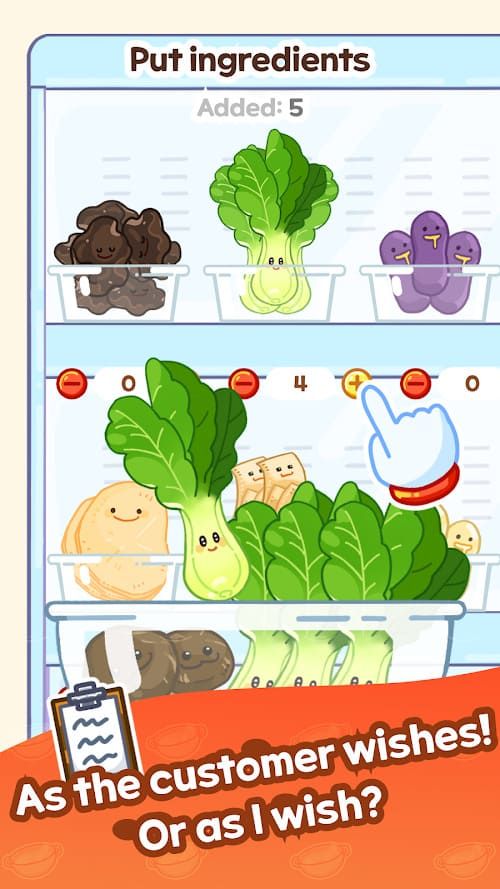
Most of your time will be spent in the malatang shop, and it is by far the strongest part of this game. Each session starts you off with a bare pot and a conveyor-like list of over 30 ingredients - sausages, fishcakes, glass noodles, crab sticks, quail eggs, tofu, mushrooms, greens, and a lot more. Drag ingredients into a metal bowl, and your character dumps them into the broth with distinct sound and visual feedback. Customers come one at a time with order cards indicating their ideal mix: some of them want more noodles and less spice, others want all the meat and the maximum level of spice. Filling orders generates coins, experience and occasionally gems and so on, to unlock new ingredients and cosmetic parts. The loop itself is minimal and refined and it is pleasant to slowly watch your ingredient bar fill with new items.
Small yet consistent unlocks in the shop motivate progression. The game adds new customers with unique looks and orders which makes your routine gradually grow rather than change suddenly as your level increases. You also get access to more than 50 decorating objects: wall art, counters, tables, light fixtures and outfits of the characters. These are merely cosmetic, though they are more important than in most sims since the game is so visual: the camera pans over your shop and bowl when you place orders, so knowing the bowel of your own decoration as you browse every single scene provides a feeling of ownership. The downside is that there is almost no mechanical depth underneath this progression. There are no penalties for queue mismanagement, no fail state beyond lightly disappointing a customer, and no complex combos or recipes to discover; once you understand how to match order cards, you have basically mastered the system.
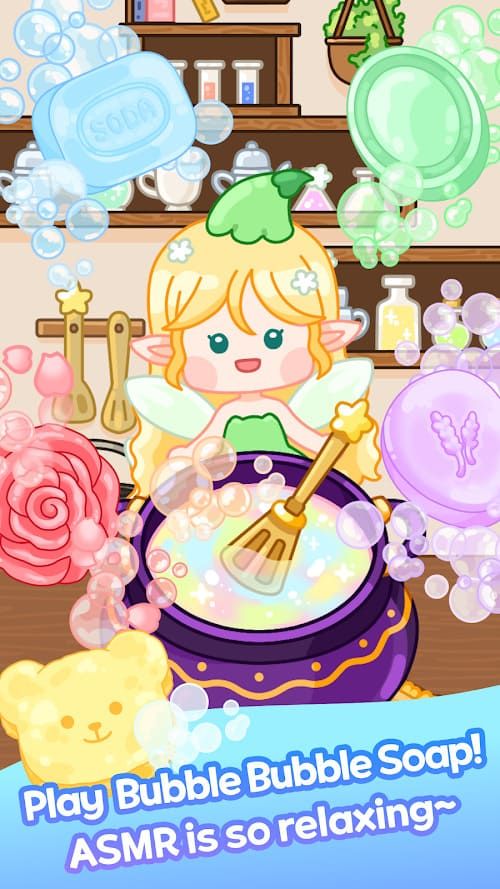
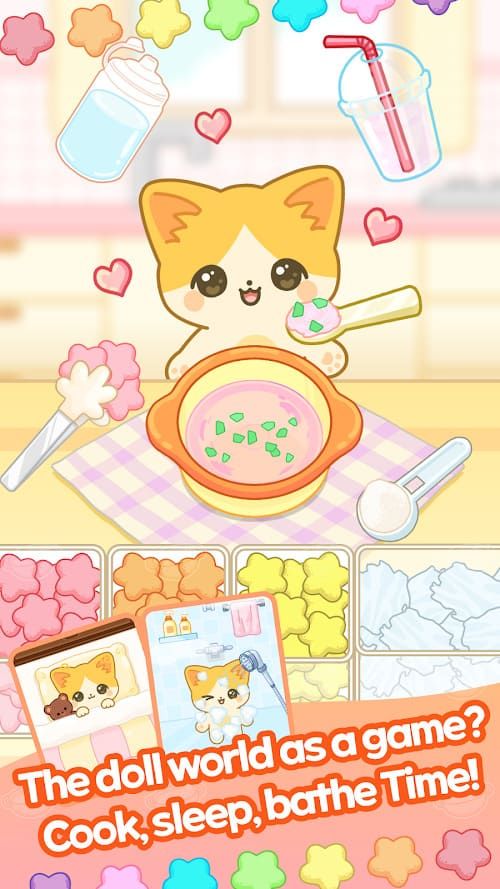
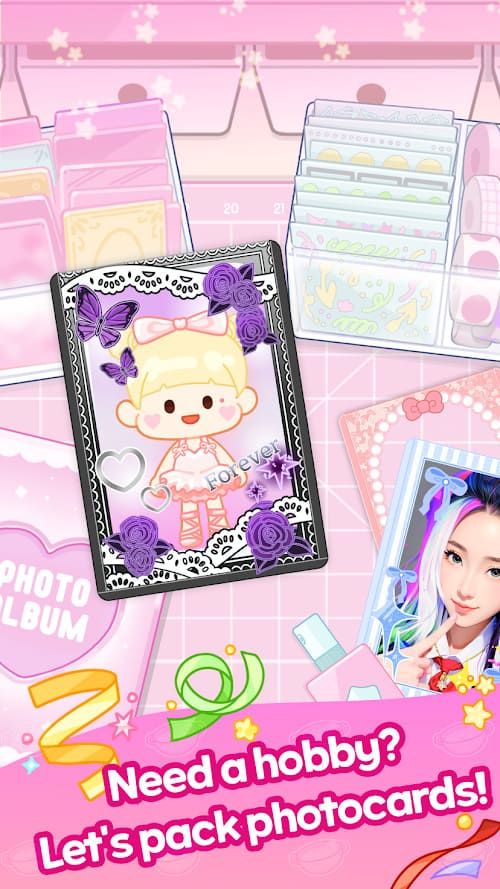
Outside of the shop, it's clear that both photocard packing mode and doll care mode are built as side activities rather than equal pillars. Packing photocards lets you select a card, slide it into a sleeve, add tapes and stickers, and arrange everything in a layout that feels like something you'd show on social media. Doll care mode has you feed a small doll, cook simple food for her, bathe her in bubbles, and tuck her into bed. Both share the same gentle ASMR approach - plastic rustles, water sounds, quiet taps - but are thin on goals. As you go, you unlock more decorative options and food items, but there's no challenge or failure, and none of your choices have an impact on the malatang shop or broader progression.
For long-term engagement, the game relies on collection and comfort rather than difficulty. New ingredients, decorations, recipes, and collection rewards give you reasons to log in, but there is no competitive ladder, no time-limited events with unique mechanics, and no real “endgame” beyond completing collections and perfecting your aesthetic. This is both an advantage and a limitation. If you want a low-pressure, visually and sonically-pleasing routine that you can return to for a few minutes each day, Malatang Master delivers exactly that. If you are looking for a deep restaurant management game with evolving systems and strategic decisions, you will likely bounce off once the charm of the ASMR and art style settles into familiarity.
By Jerry | Copyright © Game-Nook - All Rights Reserved